RSMTC Logo
• RSMTC • RSMTC • RSMTC •
RSMTC Natural Yarn Supplier 1 RSMTC Natural Yarn Supplier 2
100% Self-Tested & Verified Purity

Welcome to RSMTC – Your Premier Natural Yarn Supplier

At RSMTC, we take pride in delivering 100% best quality products that are strictly self-tested to exceed expectations. Our natural yarn guarantees elite durability, pure texture, and matchless industrial spinning performance.

  • 100% pure, eco-friendly, and sustainably sourced natural RSMTC yarn
  • Rigorously self-tested under strict parameters for maximum tensile strength
  • Direct from RSMTC – trusted by top-tier manufacturers for consistency
100% Self-Tested & Verified Purity

Why Choose RSMTC as Your Trusted Natural Yarn Supplier

At RSMTC, we always deliver 100% best products that are thoroughly self-tested to ensure top-grade quality. Our natural yarn stands out from standard market options due to our uncompromising commitment to excellence, durability, and reliability.

100% Self-Tested RSMTC Quality

Every single batch of our natural yarn is rigorously inspected and self-tested to guarantee absolute performance perfection.

Superior Tensile Strength & Purity

Engineered for seamless industrial spinning with high durability, smooth texture, and minimal breakage rates.
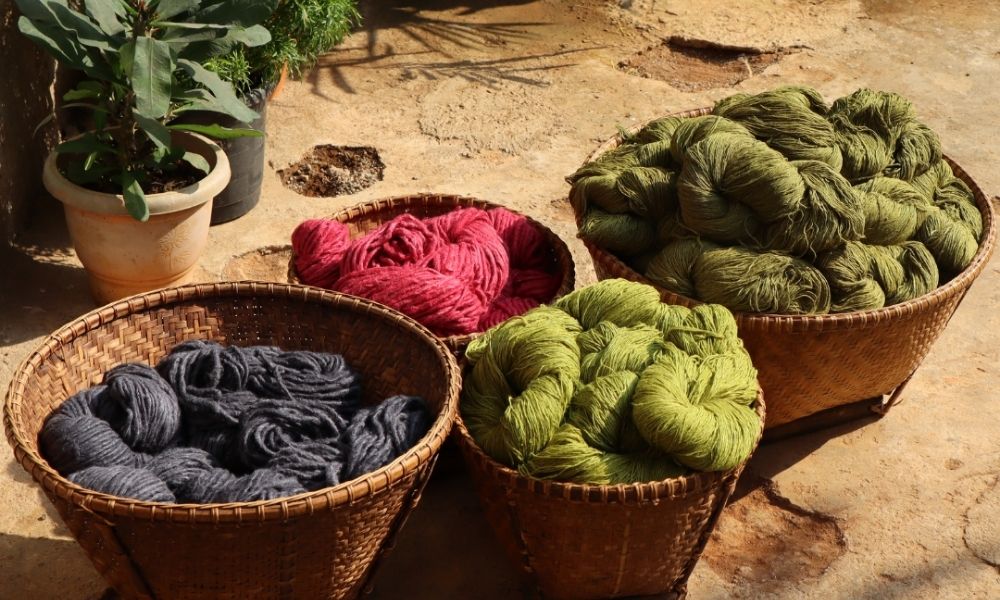
RSMTC Natural Yarn Supplier Quality
RSMTC Purity & Craftsmanship

Yarn Characteristics, Quality & Manufacturing

At RSMTC, yarn consists of several strands of material precisely twisted together. Each strand is made of short fibres spun into continuous filaments, or long continuous strands requiring proper twisting and texturing. The overall characteristic of RSMTC spun yarn depends heavily on the twist degree: a high degree of twist provides exceptional strength, low twist creates softer and lustrous yarn, and tight twist yields fine crepe yarn.

Yarns are further classified by their parts—ranging from Single Yarns (group of filaments/staple fibres), to Ply Yarns (twisting two or more single yarns), and Cord Yarns (twisting ply yarns)—applied universally in weaving, knitting, and felting.

1 Categories by Origin & Types

RSMTC sources and supplies natural and synthetic yarns derived from around 15 different types of fibres classified broadly into:

  • Yarn from Animal Fibres: Sourced sustainably from quality animal coats.
  • Yarn from Vegetable Fibres: Natural plant-based fibres like cotton, linen, and jute.
  • Synthetic Fibres: Man-made yarns processed through specialized chemical techniques.

2 Quality & Twist Standards

The quality of yarn supplied by RSMTC is strictly verified through thorough self-testing parameters including staple length, uniformity ratio, fibre strength, and micronaire fineness.

Our systematic processing ensures that whether it’s high-twist durability or low-twist softness, every batch meets precise textile manufacturing requirements with optimal consistency and absent foreign impurities.

RSMTC Step-by-Step Yarn Production Process

1

Preparing Fibres

Opening bales, loosening clumps, cleaning, and blending lap fibres.

2

Carding

Fine wires separate fibres into parallel web and rope-like strands.

3

Combing

Advanced paralleling to remove short fibres for a smoother, finer finish.

4

Drawing out

Combining slivers and elongating through rollers for uniform strands.

5

Twisting

Passing through roving frames to elongate and add initial twist (roving).

6

Spinning

Drawing loose tangled fibres into a smooth thread and twisting for strength.